Why the Punchline Lands
Humor is neither sheer magic nor accidental luck. It is an intricate architectural game played with syllables, expectation, and surprise.
The Mechanics of Expectation
Every comedic sentence establishes a trajectory. Consider the rhetorical device known as the paraprosdokian—a figure of speech in which the latter part of a sentence surprises the listener, forcing a sudden reinterpretative rethink of the opening.
The iconic American humorist Groucho Marx was a master of this craft. When he famously stated, "I've had a perfectly wonderful evening, but this wasn't it," the listener instinctively expects a courteous compliment. The pivot arrives not as an insult, but as a razor-sharp rearrangement of hospitality conventions.
When you break down joke anatomy, you find three distinct stages: the Context Premise, the Assumed Path, and the Sudden Re-anchoring. Without that re-anchoring, the phrase is merely odd; with it, the mind delights in its own misdirection.
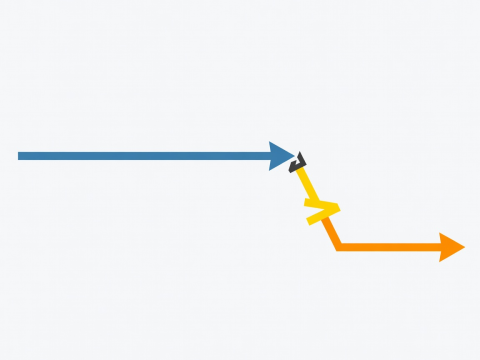 Figure 2.1 — Paraprosdokian Vector Shift
Worked Examples: Interactive Setups & Payoffs
Test your cognitive reactions with these classic examples. Toggle each punchline to observe how the language sets up one interpretation before demanding another.
The Rule of Three in Wit
Comedians and storytellers have observed since antiquity that the human brain detects patterns starting with sets of three. Two instances establish a pattern; the third instance deliberately shatters it. Whether in classical folk tales or modern conversational wit, the third element is where the cognitive switchboard flips.